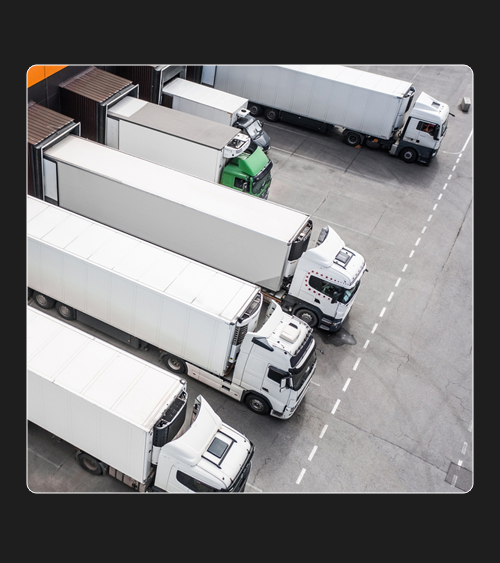

If you manage a haulage fleet, fragmentation is just the job. Fuel sits in one portal, tolls in another, parking and washes somewhere else again. Invoices arrive late and half-finished, so month-end turns into a scramble to reconstruct what happened on the road. Here is where the hidden costs of fleet management arise.
Most operators never see what that costs them. The money leaks quietly, in the gap between when a cost is incurred and when anyone can actually account for it.
Who Manages Fleet Payment Costs?
Transport managers juggling multiple suppliers, finance teams stuck reconciling fuel, tolls and VAT by hand, and cross-border operators dealing with different rules in every market.
Fleet Management Costs – What You Need To Know
The short executive talk track covers why fragmented fleet payments cost far more than admin time, where the real exposure lies (it is visibility, not paperwork), and the one change leading operators are making to close the gap. No new suppliers. No retraining drivers. No extra systems bolted on top.
Why Fleet Payment Costs Matter Now
Two changes are quietly raising the cost and complexity of working in the dark. From 1 July 2030, structured e-invoicing and digital VAT reporting will become mandatory for cross-border B2B trade across the EU, and a PDF will no longer count as a valid invoice. Several member states are already running their own mandates ahead of that, so cross-border fleets are currently managing different rules in every market.
At the same time, fuel is roughly 30% of road freight costs, and EU carbon pricing reaching road transport fuel from 2027 could push diesel up by 10–22%. When that much of your cost base is volatile, reconstructing the numbers weeks after the fact stops being an admin nuisance and starts being real financial exposure.
Manage Your Fleet Payments
See what the best-run fleets are doing differently, and why their ops and finance teams finally have a clear view of the numbers.