
Toyota plans to make all of its roughly 50 models software-defined by 2030, and it expects to earn money from updates sold after each car leaves the showroom. Fewer drivers are paying for connected car subscriptions, though, so the strongest business case for software-defined vehicles (SDVs) sits in what connectivity saves the carmaker.
Both cases need the same thing: a car that stays online for its whole life. That’s the part most plans take for granted.
Carmakers are moving every model onto software
Toyota wants update revenue from 10 million cars a year
According to The Japan Times, Toyota will make all of its roughly 50 models software-defined by 2030. The aim is to sell software updates after delivery across about 10 million new vehicles a year. Toyota first used its Arene in-vehicle software platform in the RAV4 launched in 2025.
GM, Honda and Nissan are building the same base
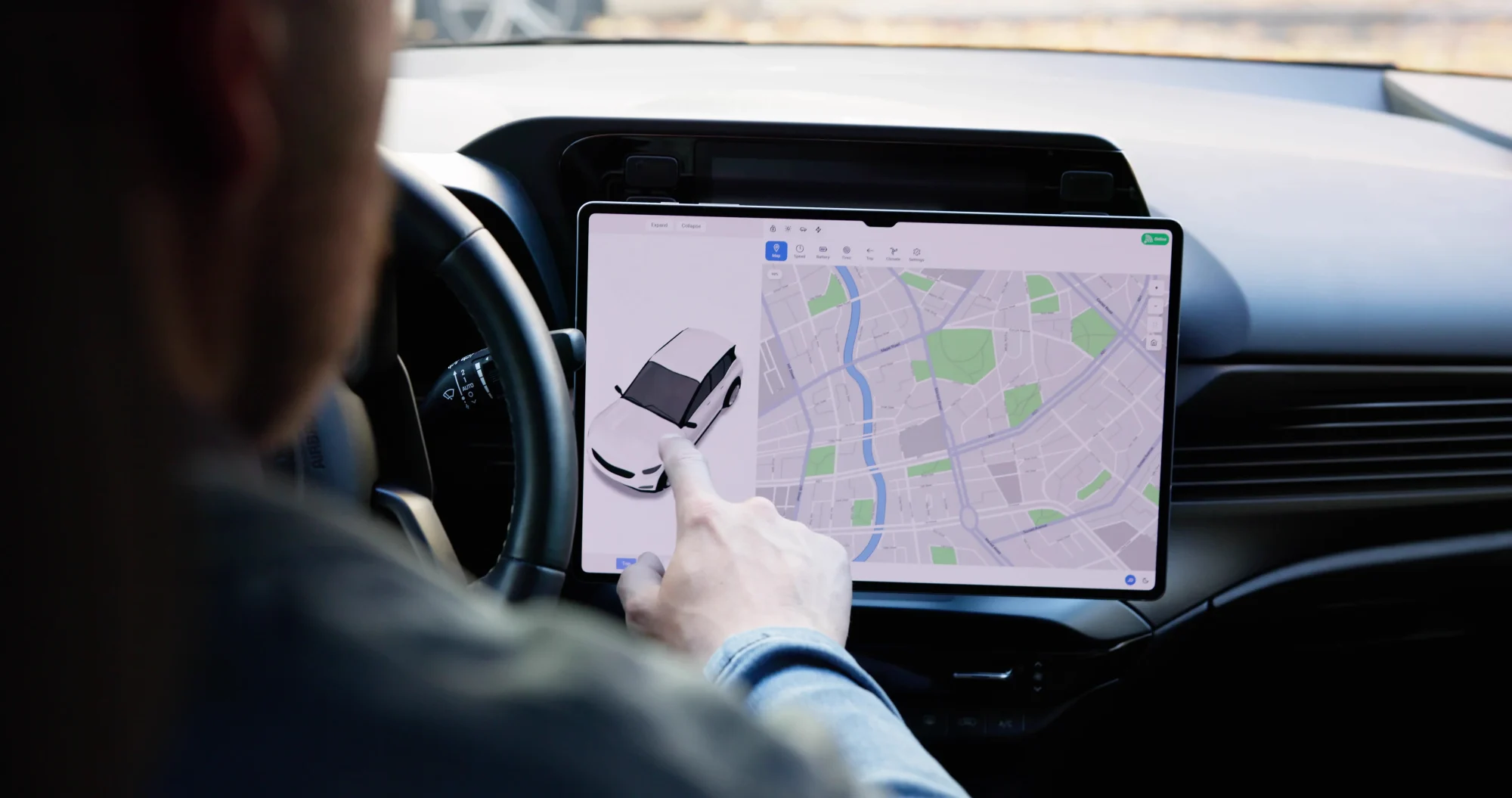
GM is building a central computer that acts as the car’s brain and lets it receive remote updates like a smartphone. GM expects drivers to pay for the digital features it enables. Honda and Nissan plan common vehicle control hardware and software from fiscal 2029, and Mitsubishi is considering joining them.
The pull is easy to see. Software-related services can reach margins of 30% to 40%, according to PwC analysis cited by Reuters.
Why connected car subscriptions are a weak foundation
Drivers expect updates as standard
Deloitte’s 2026 Global Automotive Consumer Study surveyed more than 28,500 consumers in 27 countries. Drivers in Germany, the UK and the US were less inclined to pay extra for over-the-air (OTA) update capability than those in China and India. Deloitte’s reading is that drivers in mature markets now treat updates as a baseline feature.
Where drivers will pay, they pay for safety. Emergency assistance and anti-theft tracking drew the strongest willingness to pay in the study.
Demand for the features hasn’t gone away. A Verra Mobility survey of 2,000 US adults, published in October 2026, found 54% use at least one manufacturer connected service, up from 49% in 2024. Drivers want the services. They are far less willing to pay for them separately.
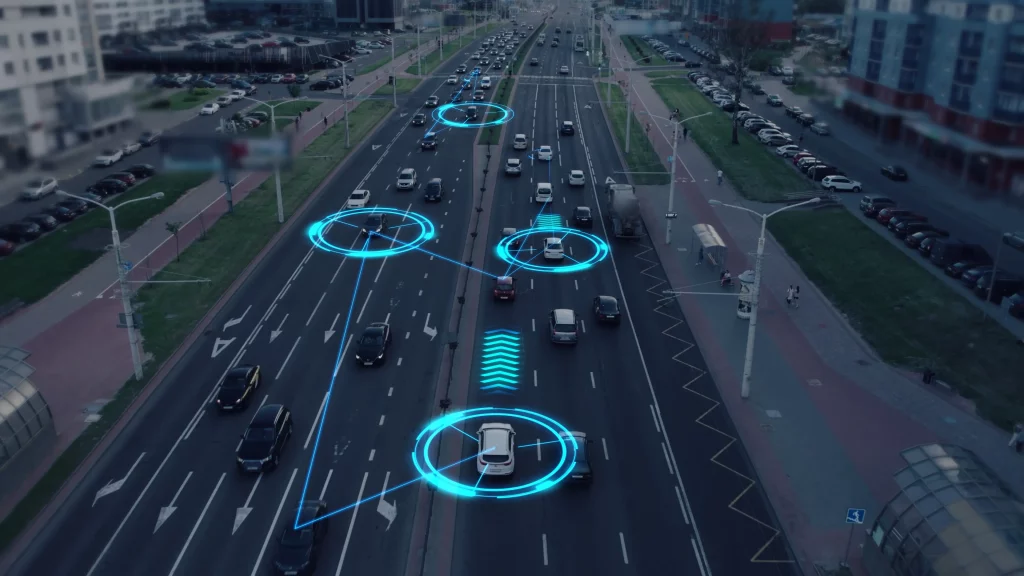
Every SDV plan assumes the car stays online
Berg Insight forecasts 583.1 million cars with factory-fitted telematics by 2030. Senior analyst Martin Cederqvist says manufacturers are extending free core connected services specifically to keep vehicles online.
A car that goes offline when its free trial ends can’t receive an OTA fix or report a fault. That connection needs funding for 10 years or more, in every market where the car is sold, whether or not the driver subscribes.
Where the SDV business case pays back
Drivers still like the features. A Verra Mobility survey of 2,000 US adults, published in October 2026, found 54% use at least one manufacturer connected service, up from 49% in 2024. Safety topped the list of services they value. They use the services. They just don’t want another monthly bill.
Every plan assumes the car stays online
Berg Insight forecasts 583.1 million cars with factory-fitted telematics by 2030. Its senior analyst Martin Cederqvist says manufacturers are offering core connected services free for longer periods specifically to keep vehicles online.
That tells you where the value sits. A car that drops offline after its free trial can’t take an over-the-air (OTA) fix or report a fault. Someone has to pay for that connection for 10 years or more, in every market where the car is sold, whether the driver subscribes or not.
Where the SDV business case pays back
Software fixes cost less than recalls
Warranty is the bigger number. Analyst John McElroy found that 13 of the world’s top carmakers paid more than $57 billion in warranty and recall costs in 2025, up from $35 billion a decade earlier, as CBS Detroit reported.
Software is behind a growing number of recalls, and it’s also the fastest way to clear them. Ford says about 80% of its 2026 recalls are software issues that can be fixed with an update, either over the air or at a dealer. GM’s newer Global B software architecture has cut software-related warranty costs per vehicle by 25%, GM Authority reported.
A recall fixed over the air needs no workshop slot and no new parts. That saving only arrives if the car is connected when the fix ships.
Plan lifetime connectivity first
Cubic3 connects over 31 million devices across 200 countries and territories, so a car built in one place has compliant connectivity wherever it’s sold. Cubic3 Cloud gives OEMs one place to manage that connectivity over the vehicle’s life.
Getting drivers to switch services on matters too. If one in five non-subscribers never knew their car had connected services, activation at delivery is where revenue starts. That’s the subject of our post on why connected car revenue starts at activation, and DriverConnect3 is built to remove that friction when the car is handed over.
Subscriptions will still earn money for some features, especially safety. The SDV plans at Toyota, GM, Honda and Nissan rest on something more basic: a fleet that stays connected for its whole life. Plan that first, and the update revenue and warranty savings have something to run on.
WEBINAR
How to Stop Fleet Spend Leakage & Regain Cost Control
Fleet spend leakage is eroding your margins across freight and logistics operations. Learn how to regain control of your fleet spend with this free on-demand webinar now.
Frequently asked questions
Will drivers pay for connected car subscriptions?
Fewer drivers are willing to pay. S&P Global Mobility’s 2025 Connected Car Study found the share of drivers willing to pay for connected services fell from 86% in 2024 to 68% in 2025. Safety and EV services are where drivers say they’ll pay the most.
Why are carmakers moving to software-defined vehicles?
Software lets carmakers fix faults and add features after a car is sold. Toyota plans to make all of its roughly 50 models software-defined by 2030, aiming to sell updates across about 10 million new vehicles a year.
How do over-the-air updates reduce warranty costs?
An over-the-air update fixes a software fault without a dealer visit or new parts. Ford says about 80% of its 2026 recalls are software issues that can be fixed with an update. That only works if the car is still connected when the update ships.
Who pays for a car’s connectivity after the free trial ends?
Often the carmaker does. Berg Insight reports that manufacturers are offering core connected services free for longer periods to keep cars online. Cubic3 manages that lifetime connectivity for OEMs across [METRIC: approved country count] countries.